What to Expect From I-130 to Green Card Approval | Colavecchio & Colavecchio Law Office
Call (615) 242-3333
  • Colavecchio & Colavecchio

    What to Expect From I-130 to Green Card Approval?

    • Competitive Prices
    • High Success Rate
    • Expert Lawyers
    • Customer Centric

    Book Your Consultation

    We are Proud Members of the Following
    USCIS Case Status Help By Colavecchio and Colavecchio Law Office

    Many families ask for a clear timeline breakdown of what to expect from the I-130 to green card approval. The answer depends on the relationship category, where the beneficiary lives, whether the case uses adjustment of status or consular processing, and current USCIS processing times. Some cases move quickly. Others take longer because of visa backlogs, missing documents, or service center workload.

    What Is Form I-130 and Who Uses It?

    Form I-130 is the petition used to establish a qualifying family relationship. U.S. citizens and green card holders commonly file it for certain relatives.

    Common categories include:

    • Spouse of a U.S. citizen
    • Spouse of a lawful permanent resident
    • Parents of U.S. citizens
    • Unmarried children
    • Unmarried adult children in some family preference categories

    Families preparing petitions for parents often benefit from reviewing eligibility and documentation requirements in detail, especially when understanding which visa is best for parents in the US before filing Form I-130.

    Some relatives fall into the immediate relative category, while others are in family preference categories subject to annual visa limits.

    The I-130 initiates many family-based immigration cases, but it is only one part of the entire process. Understanding each stage can help families plan better and avoid unnecessary delays. At Colavecchio & Colavecchio Law Office, we help clients track deadlines, prepare strong filings, and move cases forward efficiently.

    What Happens After Filing the I-130?

    Once USCIS accepts the filing, it issues a receipt notice with a receipt number. This number can be used to check USCIS case status online or via the USCIS online account system.

    The first stage usually includes:

    • Intake and fee processing
    • Security verification
    • Assignment to a service center
    • Review of required documents
    • Initial evidence screening

    The 130 processing time depends on which USCIS service centers handle the file. Service center operations and workload vary significantly from one location to another.

    One of the most common causes of delay at this stage is avoidable filing errors. Many of these issues fall under common mistakes that cause adjustment of status delays, including missing documents, inconsistent information, incomplete forms, and delayed responses to USCIS notices. Understanding these problems early can help applicants prevent unnecessary delays during the process.

    How Long Does I-130 Processing Take?

    There is no single timeline. Current processing times change regularly. USCIS publishes estimates on its website via the USCIS processing times tool.

    Factors that affect estimated processing time include:

    • Relationship category
    • Service center workload
    • Completeness of filing
    • Requests for additional evidence
    • USCIS backlogs

    If USCIS requests more evidence, the response time can add months. Strong initial filings often help avoid unnecessary delays.
    Adjustment of Status Guide

    At the Colavecchio & Colavecchio Law Office, we focus on complete submissions with proper supporting evidence to reduce preventable processing delays.

    Applicants should also be cautious about issues that may negatively affect approval, including inconsistencies or disclosures that could lead to scrutiny and green card denial.

    What Is the Priority Date?

    In preference cases, the filing date usually serves as the priority date. That date controls the place in line for visa availability. Applicants often monitor the Visa Bulletin for movement in priority dates.

    Immediate relatives of U.S. citizens generally do not wait for a visa number in the same way preference cases do. Preference category cases may wait longer depending on annual visa limits and demand.

    What Happens After USCIS Approves the I-130?

    When USCIS approves the petition, the next step depends on the location. If the beneficiary is in the United States and eligible, the case may continue through adjustment of status. If the beneficiary is abroad, the case usually moves to the National Visa Center for consular processing.

    This stage often includes:

    • Fee bills, such as the immigrant visa fee
    • Civil document collection
    • Affidavit of Support review
    • Upload of birth certificates and marriage certificates
    • Interview scheduling preparation

    Both the petitioner and beneficiary usually have tasks during this phase. In marriage-based cases, it is also important to understand how conditional residence works and when it applies. Head to our blog for a Conditional vs. Permanent Green Cards comparison.

    Family Green Card Approval in Nashville, Tennessee

    What Is Concurrent Filing?

    Some immediate relative cases allow concurrent filing, meaning the I-130 and adjustment application are filed together if the eligibility requirements are met. This can shorten the green card process because the family does not have to wait for a separate I-130 approval first.

    Concurrent filing cases may also request:

    • Employment Authorization Document
    • Advance parole for travel permission while pending

    Not every case qualifies, so legal review is important. Colavecchio & Colavecchio Law Office helps applicants across Nashville, Johnson City, and all of Davidson County understand and analyze their concurrent filing cases.

    What Happens During Adjustment of Status?

    For applicants inside the United States, adjustment of status often includes:

    • Biometrics appointment
    • Background checks
    • Possible request for evidence
    • Local USCIS office interview
    • Final decision

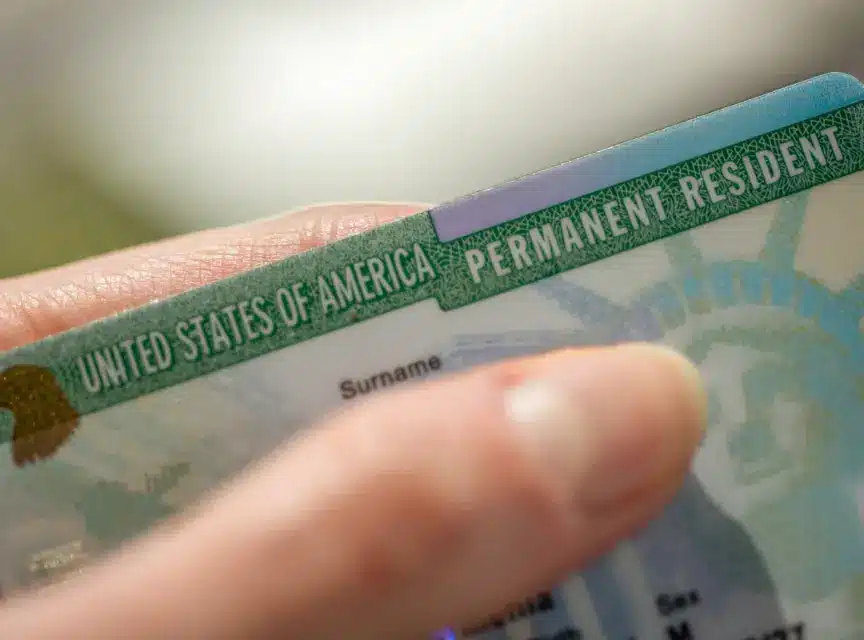
    Many marriage-based cases include a green card interview. Officers review the relationship, forms, and eligibility. If approved, the applicant receives lawful permanent resident status and later the permanent resident card.

    What Happens During Consular Processing?

    For applicants outside the country, consular processing usually includes a National Visa Center review, a medical exam, and an embassy interview for the immigrant visa.

    After visa issuance and U.S. entry, the person typically becomes a lawful permanent resident upon admission, then receives the green card by mail.

    Consular timing depends on embassy scheduling, local demand, and document readiness. Applicants processing through Chattanooga, TN, often rely on our Chattanooga immigration lawyers for guidance on embassy procedures and document preparation.

    Can You Request Faster Processing?

    Some people ask to request expedited processing. Expedite requests are considered on a case-by-case basis in accordance with USCIS standards. Approval is not automatic.

    There is currently no broad premium processing option for standard family I-130 petitions. Families should be cautious about any source claiming guaranteed faster results.

    How Can You Track Case Status?

    Use the receipt number through:

    • USCIS case status tool
    • USCIS online account
    • USCIS contact center in limited situations

    For visa-stage cases, National Visa Center updates may also be relevant. Keep all notices and upload confirmations in one file.

    How Can Families Avoid Delays?

    Many delays come from incomplete I-130 filings. To improve the green card timeline:

    • Submit clear supporting evidence
    • Use correct names and dates
    • Include required documents
    • Respond quickly to notices
    • Update address changes promptly

    Common documents include marriage certificates, birth certificates, passports, and financial sponsorship evidence. At Colavecchio & Colavecchio Law Office, we help clients prepare organized filings built to reduce common errors.

    Why Does Every Timeline Differ?

    No two cases are identical. A spouse of a U.S. citizen with concurrent filing may move differently from a permanent resident petition for a spouse abroad. Visa category, country demand, security checks, and agency workload all affect the entire process.

    That is why published timelines are estimates, not guarantees.

    Conclusion

    A realistic timeline breakdown of what to expect from I-130 to green card approval starts with the petition, then moves through approval, visa availability when required, and either adjustment of status or consular processing. Some cases finish faster than others, but careful preparation can reduce avoidable delays. Knowing each step helps families plan with confidence.

    Need Help With Your Family Immigration Case?

    Colavecchio & Colavecchio Law Office assists with I-130 petitions, marriage-based green card cases, family-based immigration, adjustment of status, consular processing, fiancé visas, work permit applications, citizenship and naturalization, green card renewal, work authorization, waivers, removal defense, and case evaluations.

    Contact us at 615 242 3333 or visit our office at 339 Harrison St, Nashville, TN 37219, United States.
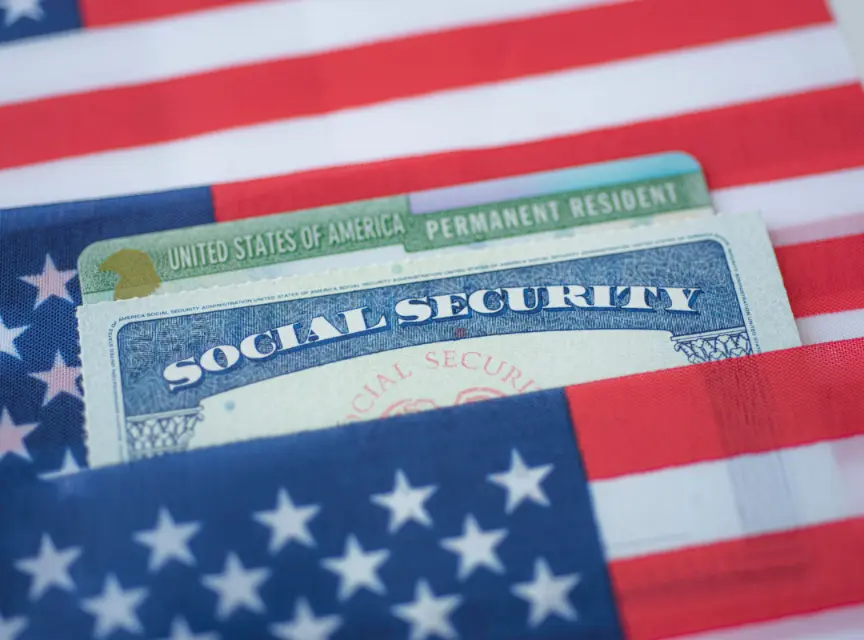
    I 130 Petition Timeline

    FAQs

    Below, we’ve addressed some common questions about I-130 green card approval.

    It varies by service center, category, and workload. Check the USCIS processing times tool for current estimates.

    The case is moved to adjustment of status or to the National Visa Center for consular processing.

    Some applicants may qualify for an Employment Authorization Document during adjustment of status.

    Many do, especially marriage-based cases, but procedures can vary.

    Yes. We help families file petitions, monitor progress, respond to notices, and prepare for interviews.

    Start typing and press Enter to search

    Shopping Cart