

We are Proud Members of the Following


Obtaining a marriage-based green card is often the final step in a long journey of paperwork, interviews, and waiting. It represents more than just immigration status—it symbolizes a shared future as a couple in the United States. For the foreign spouse, it provides the opportunity to live and work in the U.S. and, eventually, pursue citizenship. Relationships can change over time. In some cases, divorce becomes a reality. If you’re facing this situation, it’s important to understand how divorce may affect your green card status and what steps you may need to take moving forward.

Conditional vs. Permanent Green Cards
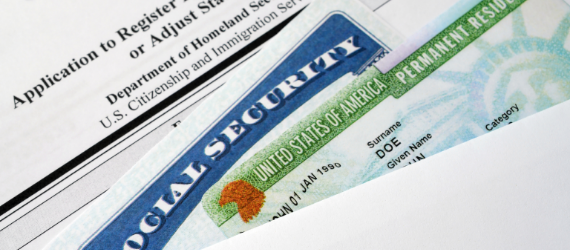
First things first—what kind of green card do you have? This makes all the difference. You probably received a conditional green card if you were married for less than two years when your green card was approved. Conditional green cards are valid for only two years and are designed to ensure your marriage is legitimate, not just a setup to get immigration benefits. Before it expires, you must file Form I-751 to remove the conditions and get a 10 year permanent green card.
If you divorce before filing that I-751, things get tricky, but not impossible. You’ll need to request a waiver to file the form independently. And you must prove your marriage was genuine from the start, even if it didn’t work out. If you already have a 10-year permanent green card, a divorce won’t affect your legal status immediately, but it could raise eyebrows if you later apply for citizenship.
Citizenship Dreams: Can You Still Apply After Divorce?
If you have a 10-year green card and are considering applying for U.S. citizenship, you may be eligible after three years if you are still married to the same U.S. citizen. If you divorce before reaching the three-year mark, you must wait five years instead. While divorce does not prevent you from applying, it changes the timeline to the standard five-year requirement for most permanent residents.


The Power of Good Legal Advice
Dealing with immigration requirements after a divorce can be complicated. There are forms to complete, deadlines to meet, and documentation to provide.
Hiring an experienced immigration attorney can help prevent mistakes and delays. They can guide you through the process, ensure your evidence is in order, and help you present your case effectively to USCIS.
Plus, having an immigration attorney who knows the system in your corner can be a significant relief. Especially when everything else in your life feels upside down.
Conclusion
Divorce can be challenging, and when immigration concerns are involved, it can become even more stressful. Whether you’re filing independently, considering VAWA, or assessing how your divorce affects your citizenship timeline, know that you have rights and options available. With the right guidance, you can still secure your future in the U.S.

Contact Colavecchio & Colavecchio Law for Green Card Help!
Do you need guidance from an immigration attorney who gets it? Reach out to Colavecchio & Colavecchio Law. We have walked hundreds of people through this process. Our immigration law services are personalized to every client’s unique status. Contact us today to book a consultation.