

We are Proud Members of the Following


Becoming a U.S. citizen is a major milestone for many immigrants who want to build a permanent life in the United States. If you received your green card through marriage and it’s still conditional, you might wonder whether that affects your ability to apply for citizenship. A conditional green card is valid for two years and is often given when the marriage is still relatively new at the time of approval. So, can you apply for U.S. citizenship while you’re still a conditional resident? The answer depends on your situation. We will explain when you can apply, what steps to take, and how to move from conditional resident to full citizen.
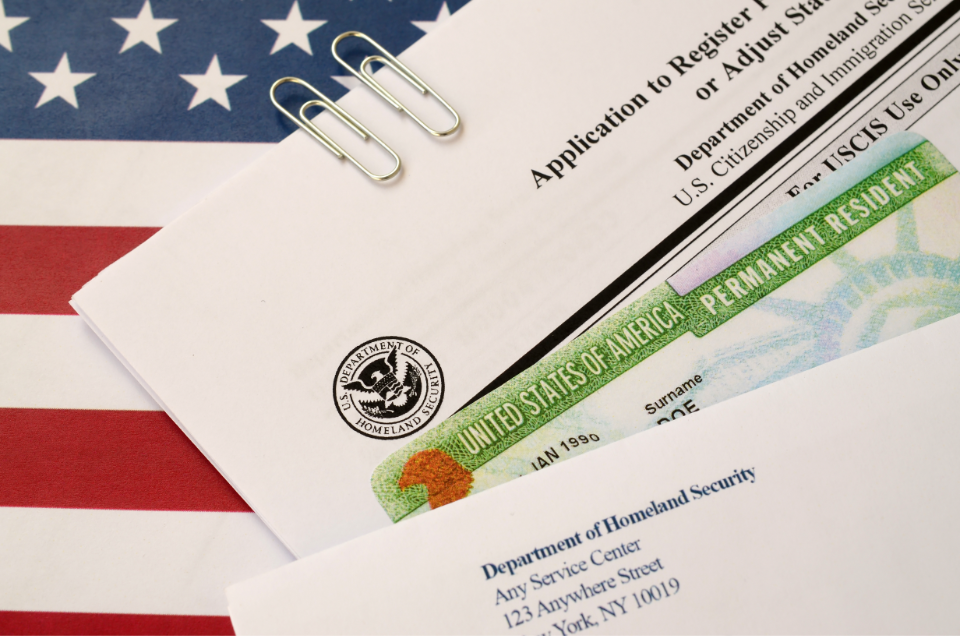
First Things First: What Exactly Is a Conditional Green Card?
A conditional green card is valid for two years and is typically issued to individuals who obtain their green card through a relatively new marriage to a U.S. citizen or permanent resident. It’s a way for the government to confirm that the marriage is genuine and not solely for immigration purposes.
To continue your residency beyond the two-year period, you must file Form I-751 (Petition to Remove Conditions on Residence) before the card expires. If this form isn’t filed on time, your status may be terminated, and you could face removal proceedings. This step is essential for maintaining your path toward permanent residency and eventual citizenship.
So yes, it’s a severe stage in the immigration journey. And it impacts your path to citizenship.
Should You Apply While Your I-751 Is Still Pending?
Filing for citizenship while your I-751 is still pending is allowed—but it adds a layer of complexity. If your three-year mark has arrived and you’re otherwise eligible, you can submit Form N-400. USCIS won’t approve your naturalization until your I-751 is approved.
This means both applications will be active at the same time, and your N-400 process could take longer. During your citizenship interview, the officer will likely ask questions about your I-751 and may request proof that your marriage is genuine—such as joint tax returns, photos, shared financial accounts, or utility bills.
If you choose to go this route, be fully prepared to support both cases. Filing early can be a smart move if you’re organized, but it also comes with added responsibility.

Common Mistakes That Can Trip You Up
The immigration paperwork can often feel like a complex process without clear guidance. Here are some common mistakes individuals make when applying for U.S. citizenship while holding a conditional green card:
- Applying too early: You must wait until the exact day you reach your 3- or 5-year residency mark, not one day sooner.
- Forgetting to file Form I-751: This is a big one. If your conditional green card expires and you haven’t filed to remove the conditions, your status is in jeopardy.
- Missing documents: Submitting your N-400 without proof of a bona fide marriage, tax records, or proof of residency can quickly delay things.
- Assuming divorce ends your chances: It doesn’t—but it does change the timeline and documentation requirements.
So, Can You Apply for Citizenship?
It is possible to apply for U.S. citizenship while holding a conditional green card, but only if you meet specific eligibility requirements—such as your marital status, length of permanent residency, and accurate filing of all necessary forms. While the process is achievable, it requires careful planning, attention to detail, and patience.
If you’re uncertain about your eligibility or how to proceed, consulting with an experienced immigration attorney is highly recommended. A brief consultation can provide clarity, prevent costly mistakes, and help ensure your application stays on the right track. This is a significant step—make sure it’s handled correctly.

Conclusion: Ready to Take the Next Step?
Whether you currently hold a conditional green card or are preparing for your citizenship interview, it’s important to remember that you’re not alone. Many individuals have successfully cleared this process and reached their goal. If you have questions or are unsure about your next steps, consulting a qualified immigration attorney can provide clarity and confidence. U.S. citizenship represents more than just completing paperwork—it’s a vital milestone in building your future. Make sure you’re approaching it with the right guidance and support.