

We are Proud Members of the Following

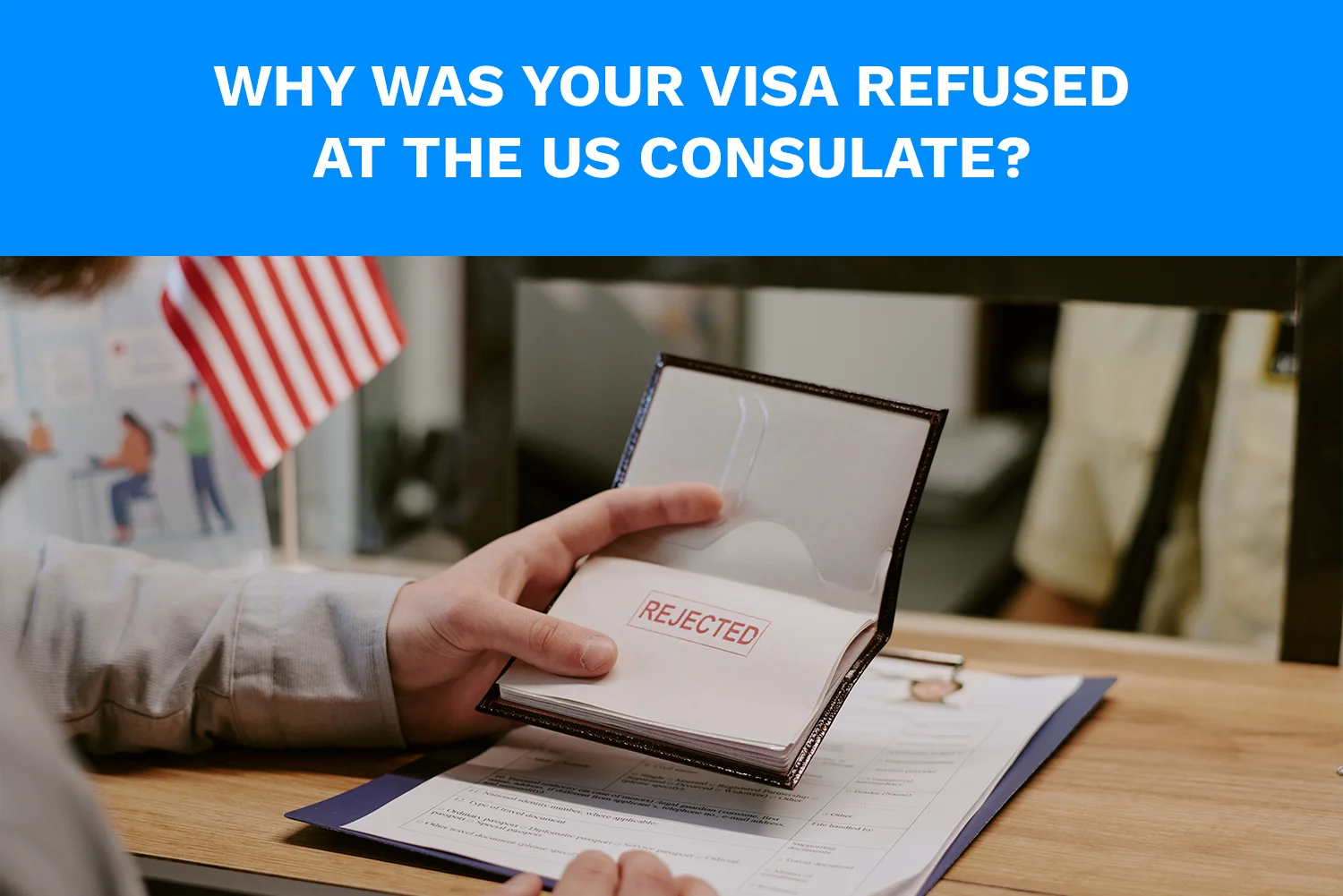
Applying for a U.S. visa can be daunting, and facing a visa denial at a U.S. consulate can be disheartening. Understanding the reasons behind a visa refusal and the steps to take afterward is crucial for applicants. Knowing how to navigate the visa application process is essential, whether it’s due to a lack of strong ties to your home country, missing documents, or other common reasons. This guide will provide insights into addressing visa denial, reapplying, and exploring options like waivers or legal assistance, helping you better prepare for a successful visa interview and application.
Common Reasons for Visa Denials
Many factors can contribute to visa denials, some more serious than others. No matter the cause, a visa officer may determine that your application does not merit grant status. Here are some common things to avoid during the immigration process.
- Lack of Strong Ties to Home Country
- Incomplete or Incorrect Documentation
- Insufficient Financial Resources
- Previous Immigration Violation
- Security Concerns and Misrepresentation of Facts
- Ineligibility Under U.S. Immigration Law
Furthermore, applying at another consulate after being rejected raises suspicion that this action was an attempt at “post-shopping,” an act which may circumvent their decision.
What to Do After Receiving a Visa Refusal Notice
Once a consular officer decides not to grant your visa application, they will return your passport with a written explanation of their decision. This includes a list of required documents and the timeframe in which these should be provided.
- Sometimes consular offices require additional administrative processing, such as background checks, that could take weeks or months to complete.
- If your denial was due to an absence of strong ties to home, be ready to provide more convincing evidence when applying again.
- Also, consider exploring waivers for visa ineligibility, which may be available.
- Suppose the consular officer was unconvinced that you would voluntarily leave the United States at the end of your stay. This is known as a Section 214(b) refusal, which is usually temporary.
Reapplying for a U.S. Visa After Denial
Unlike other countries, the US does not mandate any minimum waiting period before you reapply for a visa. However, it’s still wise to carefully consider your application before resubmitting another one, as doing so without first considering why your previous attempt was denied can lead to unnecessary stress and financial strain.
Keep in mind that if nothing changes in your situation and you submit the same information, your application may not be approved. Ensure that you can provide more substantial supporting documents and more comprehensive financial plans before reapplying.
If possible, request a different officer for your interview. While this won’t always guarantee a change of outcome, requesting another consular officer could help if your case wasn’t considered by its original consular officer. In any event, legal assistance can always help in your application process.
Conclusion
Facing a visa denial can be a stressful and disheartening experience, but it’s important to remember that it doesn’t necessarily mark the end of your journey to the U.S. Don’t let a denial deter you—take the necessary steps to strengthen your case and you may find success in the next attempt.
Contact Colavecchio and Colavecchio Law Office
If you’ve been denied a U.S. visa or need guidance on reapplying, Colavecchio and Colavecchio Law Office is here to help. Our experienced team of immigration attorneys will provide the expert legal support you need to deal with the complexities of the visa application process.
From identifying the reasons for denial to helping you gather essential documents and improving your chances for approval, we’re dedicated to making your journey to the U.S. as smooth as possible. Contact us today for a consultation, and let us guide you toward your immigration goals.