What If Your U.S. Spouse Dies Before Green Card Approval? | Colavecchio and Colavecchio Law
Call (615) 242-3333
  • Colavecchio & Colavecchio

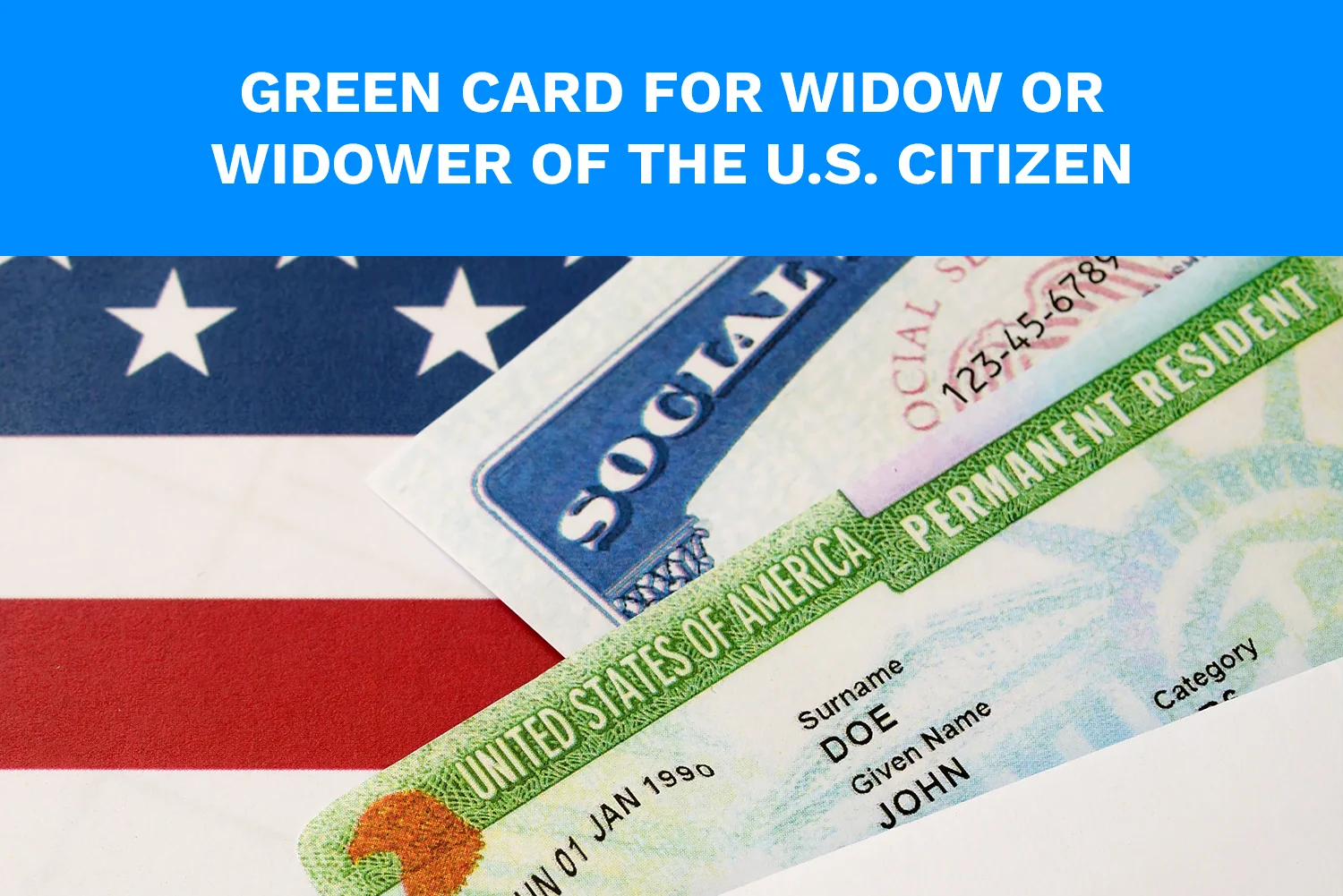
    What If Your U.S. Spouse Dies Before Green Card Approval?

    • Competitive Prices
    • High Success Rate
    • Expert Lawyers
    • Customer Centric

    Book Your Consultation

    We are Proud Members of the Following
    What Happens if the Petitioner Dies Before the Petition is Approved?

    The I-360 form, known as the “Petition for Amerasian, Widow(er), or Special Immigrant,” is a key document for surviving spouses seeking to adjust their status after the death of a U.S. citizen spouse. This form allows specific individuals, including widows or widowers of U.S. citizens, to self-petition for a green card. To be eligible, you must have been legally married to your U.S. citizen spouse at their death, and your marriage must have been bona fide, meaning it was genuine and not solely for immigration purposes.

    Eligibility Requirements for Filing Form I-360

    For Form I-360 eligibility, applicants must meet specific criteria laid out by immigration law. In general terms, widows who wish to file the form must have been legally married to their U.S. citizen spouse at the time of death, and their relationship had been “bona fide” for at least two years before his or her passing.

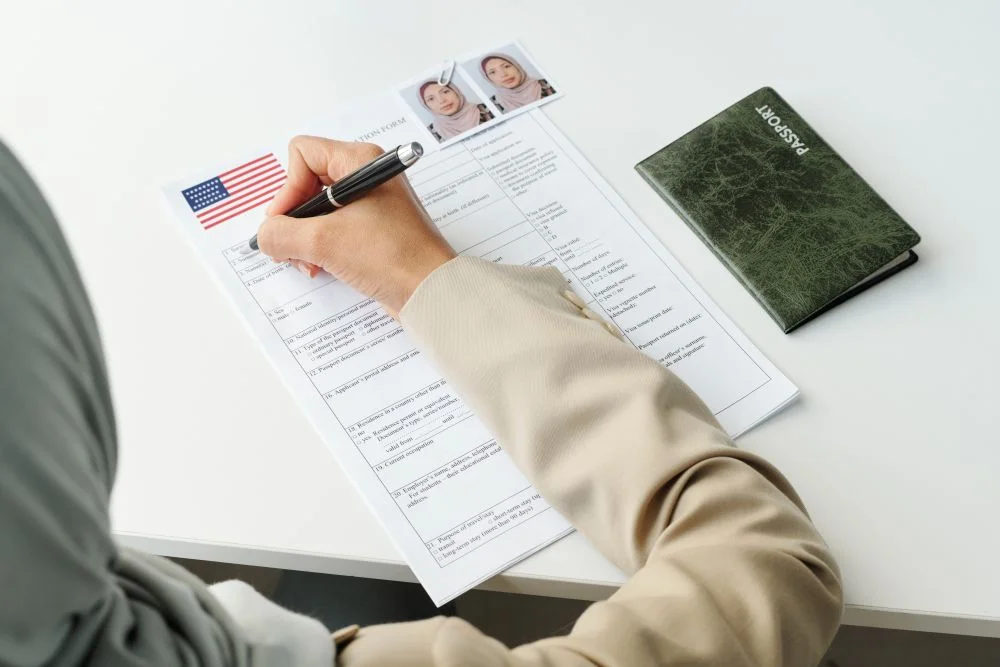
    The first part of the form requires petitioners to provide information such as their name, address, USCIS online account number, and A-number, as well as any assistance from interpreters or preparers. Here are some common mistakes to avoid when filing for family-based immigration.

    File Form I-360 after the Death

    Correctly filling out an I-360 petition is a crucial component of their application process. This involves filling in all required fields and gathering documentation that substantiates their qualifications as a petitioner.

    Complete Form I-360

    • Fill out the I-360 form, “Petition for Amerasian, Widow(er), or Special Immigrant,” accurately.
    • Ensure to include information about your deceased citizen spouse and the bona fide nature of your marriage.

    Submit Supporting Documentation

    • Attach all necessary documents, such as proof of your spouse’s death, to substantiate your eligibility as a widow(er).
    • Include any additional documents required for specific categories, like proof of abuse if applicable.

    Pay Filing Fees

    • Submit the appropriate filing fee as required by USCIS. Payment can be made via check, money order, or credit card.

    Submit the Petition

    • Send the completed Form I-360 and all accompanying documents to the appropriate USCIS address.
    • Ensure the package is complete to avoid delays in processing.

    Await USCIS Decision

    • Once submitted, USCIS will review your petition. It will be forwarded to the National Visa Center or a consulate for further processing if approved.
    • Be prepared for an interview to discuss your petition and verify your eligibility as a surviving spouse.

    Once USCIS approves a petition, an officer will deliver it to the National Visa Center or an appropriate consulate and arrange an interview between the petitioner and the NVC at one of their embassy or consulate offices.

    Required Documents for Form I-360 Widow Petition

    The success of an I-360 petition often depends upon providing accurate and complete documentation supporting its submission, particularly when filing on behalf of specific categories of special immigrants.

    • Collect personal details such as your name, address, USCIS online account number, and A-number.
    • Ensure you have documentation proving your marital relationship to your U.S. citizen spouse, such as a marriage certificate and evidence of your spouse’s death.
    • Provide relevant court orders or documents if you were divorced or legally separated.
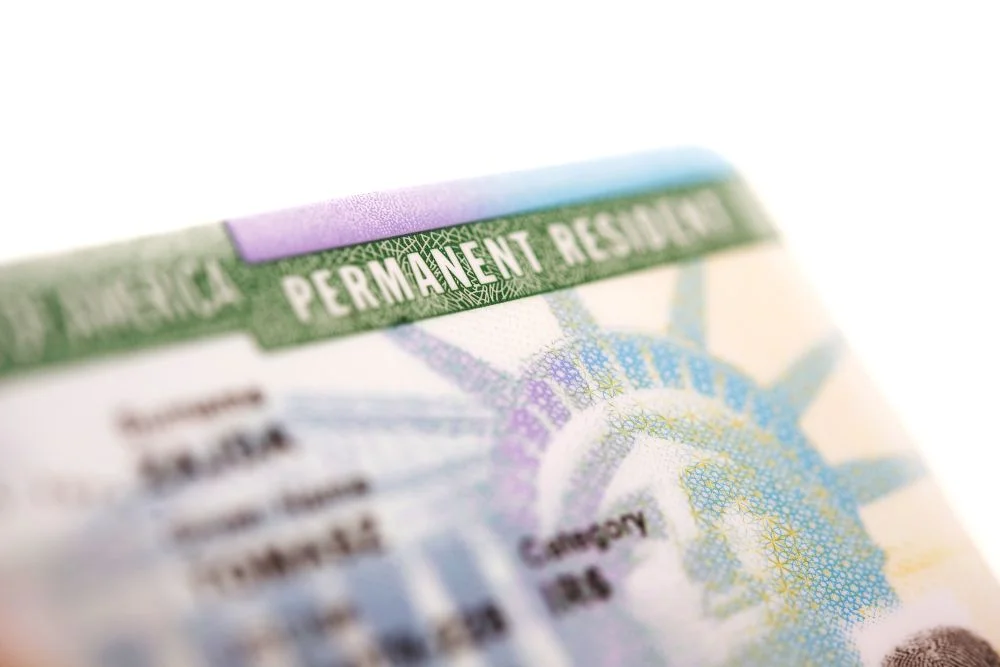
    Can My Spouse Live With Me While Waiting for a Green Card?

    Processing Time for I-360 Widow Petitions

    USCIS, or Citizenship and Immigration Services, can take one to four months to review a Form I-360 petition. During this period, it is important to ensure all documentation related to your deceased spouse is accurate and complete to avoid any potential delays. Once the petition is approved, it may lead to permanent residence, allowing you to live in the U.S. as a lawful permanent resident.

    Fourthly, preference should be given to victims of extreme abuse by a U.S. citizen or lawful permanent resident spouse, child, or parent (VAWA self-petitioners). 

    What Happens After Filing?

    Once you submit your form to USCIS, they will send a receipt notice confirming they received and collected any associated fees. If your citizen spouse died and you were not legally separated at the time of their death, you may still be eligible to apply as a surviving spouse.

    It’s important to ensure that all documentation regarding your marital relationship is accurate and complete. This includes proof of your marriage and your spouse’s death. 

    Additionally, if there was an ongoing petition for an alien relative, you may need to address it in your application process. Always check the specific requirements for your situation to avoid any delays.

    When Can a Widow Apply for Citizenship

    Adjustment of Status After I-360 Approval

    An I-360 petition may lead to lawful permanent resident status (Green Card). Once awarded this status, recipients can live in the U.S. and travel internationally without jeopardizing their immigration status. If the primary I-360 petitioner included family members on their application, their dependents can also seek visas through an adjustment of status process and receive permanent resident cards.

    This method of processing benefits certain special immigrant groups, including those seeking relief under the Violence Against Women Act (VAWA). When interviewing and determining petitioners under VAWA, interviews and determination can help officials verify details about the petitioner’s background to ensure that all criteria have been fulfilled and prevent misrepresentation in the petitioning process.

    Common Reasons for I-360 Denials

    Failure to submit adequate documentation can be one of the leading factors leading to denials in this process, including proof of identity, evidence that shows your spouse or parent are U.S. citizens or lawful permanent residents, and evidence of abuse.

    One of the primary obstacles to filing under VAWA is an inadequate understanding of its requirements for each category, particularly criminal history checks for each listed individual, when in reality, only those listed as abusers need to be reviewed.

    Mistakes may also arise by not responding clearly or failing to follow instructions carefully. If applying for a visa outside the U.S., for instance, questions 8-15 should not be answered; they should mark Part 3 as “Not applicable” to avoid additional delays.

    Conclusion

    The complexities of immigration after losing a U.S. spouse can be overwhelming, but with the right guidance, you can successfully file your I-360 petition and move forward with your green card application. Ensuring your documentation is accurate and complete, as well as understanding the unique requirements of your case, will increase your chances of approval.
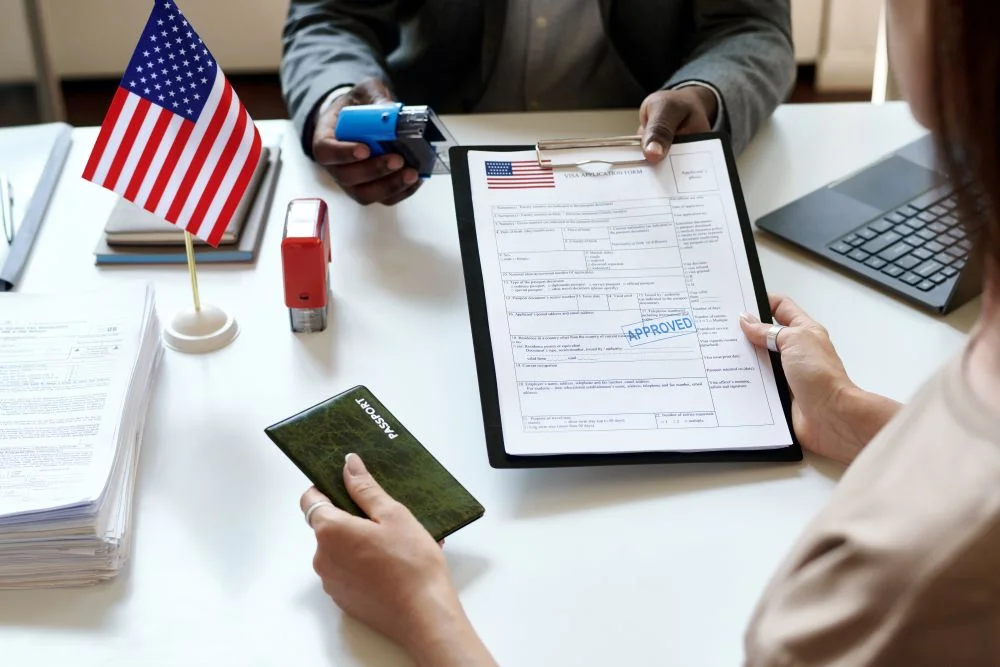
    Green Card for the Widow of the US Citizen

    What Happens if the Petitioner Dies After Approval of I-130

    Secure Your Future with Expert Immigration Assistance

    Colavecchio and Colavecchio Law Office helps you through this challenging process. Our experienced immigration attorneys will work closely with you to ensure that your petition is thoroughly prepared and submitted without delays. 

    Contact us today for personalized support with your immigration needs. We’re here to help you every step of the way.

    Start typing and press Enter to search

    Shopping Cart