

Colavecchio & Colavecchio
Moving To Another State During Marriage-Based Immigration Process
- Competitive Prices
- High Success Rate
- Expert Lawyers
- Customer Centric
Book Your Consultation
We are Proud Members of the Following


The marriage-based immigration process comes with several responsibilities. Many couples focus on forms, interviews, and deadlines, but daily life does not stop while the case moves forward. A new job offer, family obligations, or financial pressure may force a couple to relocate. That situation often leaves couples wondering whether moving to another state during the marriage-based immigration process could hurt their case. We will break down the important details, possible consequences, and smart steps you should take, so keep reading.
Relocating Does Not Automatically Hurt Your Immigration Case
Many couples panic when they need to relocate during the immigration process. In reality, moving to a different state does not automatically damage a marriage-based petition. USCIS understands that life changes happen. A spouse may receive a job offer on the East Coast. A family emergency may require relocation. A couple may simply need lower living costs.
The key issue involves the bona fide marriage requirement. USCIS wants proof that the marriage exists for genuine reasons and not only for immigration benefits. If the couple continues to maintain an ongoing relationship, the move alone usually will not destroy the case.
Still, the move can raise questions if the couple fails to explain the circumstances clearly. An immigration attorney often helps couples prepare a clear explanation and organize supporting documents before the green card interview.
USCIS Must Receive Your New Address Quickly
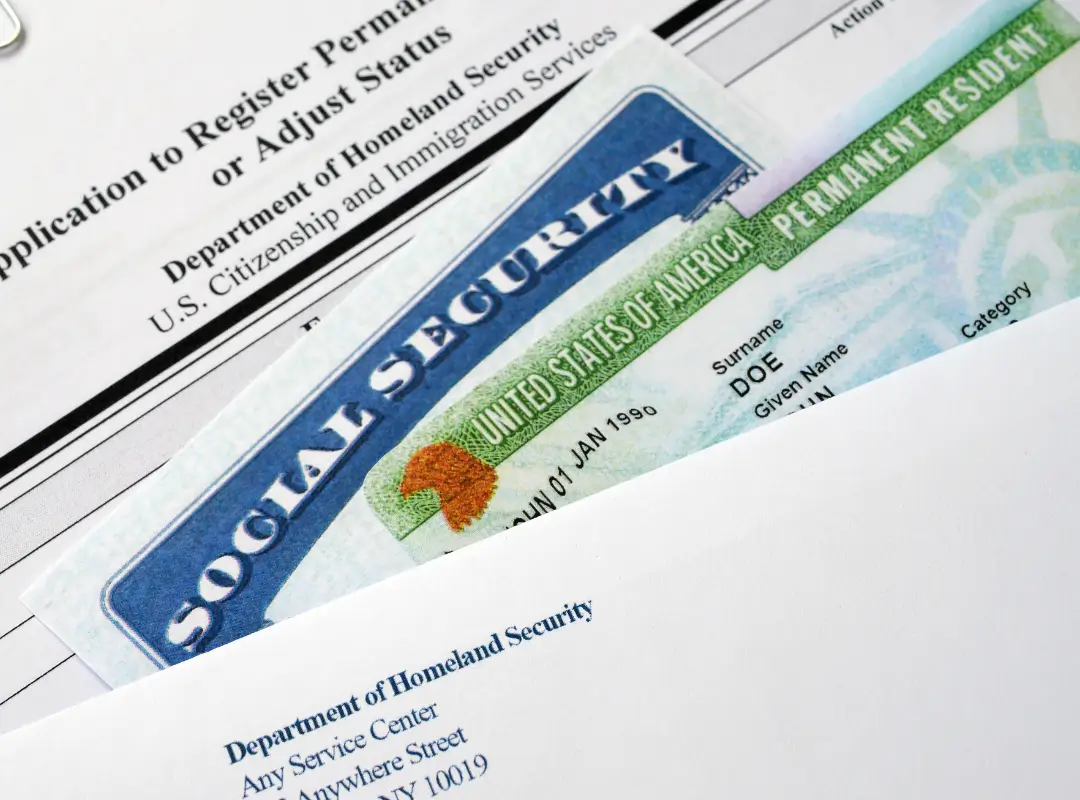
One of the biggest mistakes couples make involves failing to update their address. USCIS expects applicants to report a new address within a short period after moving. Missing this step can create serious problems. USCIS mails appointment notices, interview dates, and requests for evidence to the address on file. If the couple never receives those notices, the immigration case may face delays or even denial.
Every person involved in the immigration process should submit the required form after relocating. The citizen spouse should also keep copies of all updates and correspondence. This simple step protects the case and shows responsibility. An immigration lawyer reminds clients that paperwork matters just as much as the interview itself. A tiny oversight can snowball into a major issue before you know it.
Living in Separate States Can Raise Extra Questions
Some couples relocate together. Others temporarily live in separate states because of work, school, or family obligations. This situation does not automatically ruin a green card application, but it usually receives closer attention. USCIS officers may wonder why the spouse lives apart during the process. They may ask whether the marriage qualifies as bona fide. That does not mean the case will fail. It simply means the couple must provide stronger evidence.
For example, a U.S citizen may move to San Diego for work while the immigrant spouse stays behind for several months. In another instance, one spouse may begin a temporary assignment in a different state before the other spouse relocates later. In situations like these, couples should gather evidence that shows the relationship continues despite the distance.
Strong Evidence Makes a Huge Difference
Evidence plays a major role in every marriage-based immigration process. When couples relocate or live apart temporarily, strong evidence becomes even more important.
USCIS wants to see proof that the relationship continues in a normal and genuine way. Couples should provide evidence such as:
- Communication logs
- Travel records
- Joint bank account statements
- Lease agreements
- Insurance records
- Photos together
- Utility bills
- Future plans for living together
- Other documentation connected to the marriage
The couple should also prepare a straightforward explanation for the move. Officers appreciate honesty and consistency. A clear timeline helps them understand the circumstances without confusion. An immigration attorney can help organize this material in a professional format before the green card interview or embassy interview.

Your Green Card Interview May Change Locations
A move to another state often changes the USCIS field office that handles the case. That detail matters because different offices process cases at different speeds. For example, a couple may begin the process in one state and later relocate to another area with a busier field office. USCIS may transfer the file to the new office after the address update.
This transfer can sometimes affect interview scheduling. It does not always create major delays, but applicants should prepare for possible waiting periods. Couples should continue checking their USCIS account and mail regularly after the move. Missing an interview notice can create unnecessary complications.
Timing Matters More Than Many Couples Realize
The timing of the move can influence how USCIS views the situation. A relocation shortly after filing the family-based petition may receive more attention than a move that happens later in the process. For instance, if a married couple files the petition and immediately begins living in separate states without explanation, USCIS may ask additional questions about the relationship.
On the other hand, a relocation tied to a strong reason often makes sense to officers. A new career opportunity, military assignment, or financial hardship can support the explanation. The important thing involves consistency. The couple’s statements, forms, interview answers, and immigration documents should all match the facts.
When couples provide mixed information, USCIS may begin to doubt the marriage or question eligibility requirements.

Prepare Carefully for the Green Card Interview
The green card interview becomes especially important after a relocation. Officers often ask questions about daily routines, future plans, and living arrangements.
Couples should prepare to explain:
- Why the move happened
- When the relocation began
- Whether the spouse plans to reunite permanently
- How the couple maintains the relationship
- What future plans exist for the marriage
The answers should sound natural and truthful. Couples do not need rehearsed speeches. They simply need honest and organized responses. An immigration attorney conducts practice interviews before the official appointment. That preparation helps couples avoid nervous mistakes and confusing answers.
International Cases May Face Similar Concerns
The same concerns can appear during consular processing outside the country. During an embassy interview, officers may examine whether the marriage qualifies as bona fide if the couple lives apart. The applicant should prepare documents that support the ongoing relationship and explain the living arrangement clearly.
For example, a citizen spouse may remain in the United States while the immigrant spouse waits abroad for visa approval. That arrangement alone does not create a problem. Still, the couple should provide evidence of communication, visits, financial support, and future plans. Immigration law focuses heavily on intent. Officers want proof that the marriage involves a real commitment and not only an immigration benefit.
Legal Guidance Can Prevent Costly Problems
Every immigration case involves unique circumstances. Some couples relocate because of work. Others move for health issues, family support, or financial reasons. One small detail can completely change the legal strategy. That is why many couples consult an immigration attorney before making major decisions during the process.
An experienced attorney can review the timeline, explain risks, and help the couple prepare supporting evidence. The immigration process already feels stressful enough. Proper planning can remove a great deal of uncertainty and help couples move forward with confidence.
Get Legal Alignment with Colavecchio & Colavecchio Law
Relocating while your marriage-based immigration case is active can quietly create gaps. Colavecchio & Colavecchio Law steps in to keep your case properly aligned through every stage of the transition, whether it involves adjustment of status applications, marriage-based petitions, USCIS address updates, or ongoing immigration correspondence, ensuring your file stays accurate and uninterrupted even when your life isn’t stationary.
If you’re planning a move or have already moved, don’t leave your case exposed to delays. Contact us today or schedule your consultation and keep your immigration process fully connected, no matter your location.
Frequently Asked Questions
Couples often have additional questions about relocation, interviews, and marriage-based immigration cases. Here are some common questions people ask when working with Colavecchio & Colavecchio Law in Nashville, TN.
A: Yes. Colavecchio & Colavecchio Law helps couples understand how relocation may affect a green card application, address updates, and interview preparation.
A: Not necessarily. USCIS may ask additional questions, but many couples receive approval after providing strong evidence of an ongoing relationship. Colavecchio & Colavecchio Law in Nashville, TN, can help clients prepare documentation and explanations for these situations.
A: Many couples benefit from legal guidance before relocating. An immigration attorney can explain the correct process, help prevent filing mistakes, and review whether the move may affect the immigration case.
A: Yes. The firm helps couples prepare for questions related to moving, separate living arrangements, future plans, and other immigration concerns that may appear during the green card interview.
A: Couples should gather evidence such as leases, communication logs, travel records, shared financial documents, photos, and proof of future plans together.